Webflow in a nutshell
Webflow is a platform on which to build a modern responsive website without becoming a startup dependent on the developer for every little thing. The website is normal website with everything, no compromise builder that will start to slow you down over time. The difference is that it can be built to be fast, clean, well manageable and especially to make sense for the company in the long term, not just on the day of launch.
For businesses, Webflow is interesting mainly for one reason: saves a lot of time and nerves during routine administration. Most websites today are not done by launching. Services are constantly changing, adding references, editing texts, exchanging photos, creating landing pages for campaigns. And this is where “classic” sites often begin to pay too much for small things. Webflow can simplify this because ordinary adjustments can be done by the client himself, quickly and safely.

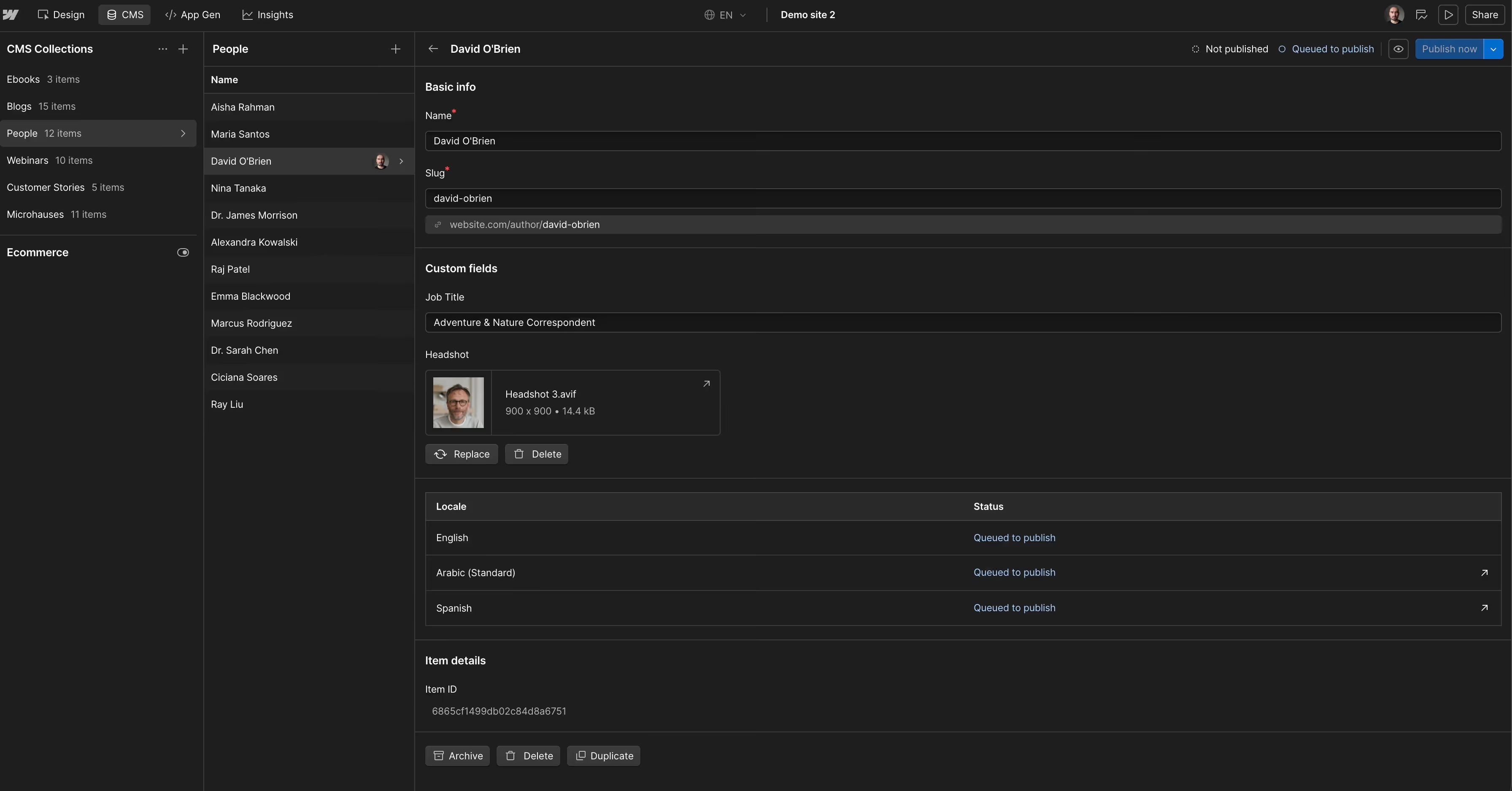
Stress-free content management
Webflow CMS is simple and clear and it can be built to be comfortable to work with even for someone who is not a technical type. The client then does not handle any plugins or complex administration, just edits the content. And most importantly, it can be set up so that even new content held the design and did not crumble. This is exactly the thing that you often see with websites: the first month everything is beautiful, and then content starts to be added and the site gradually loses its level. This can be avoided by the way the website is designed and built.

Fast editing and less ping-pong
Webflow is fast even during implementation. When you're tuning structure, texts, or visuals, you don't have to wait to “translate” the design into development and back. Editing is faster, so you can get to the final version faster without unnecessary wheels. For the client, this means in practice fewer “this is out of scope”because changes in progress are normal and Webflow counts on them. And when it is grasped correctly, it does not create chaos, but controlled process.
Language management and simple translation
If the site targets outside the Czech Republic (or you have multiple branches and different markets), sooner or later you solve one thing: how to easily maintain multilingual content. And this is where Webflow can work surprisingly well when it's designed right from the start.
The content goes to structure so that translations are not chaos in Excel, but normal CMS component. In practice, this means that the client manages to maintain individual language versions without having to deal with developers every time. And if you don't want to translate manually, it can be connected to the translation workflow, where the translations they prepare quickly and just check. The result is mainly that a multilingual website is not an “extra project”, but something that can be managed in the long term without pain.

Responsiveness and performance as standard
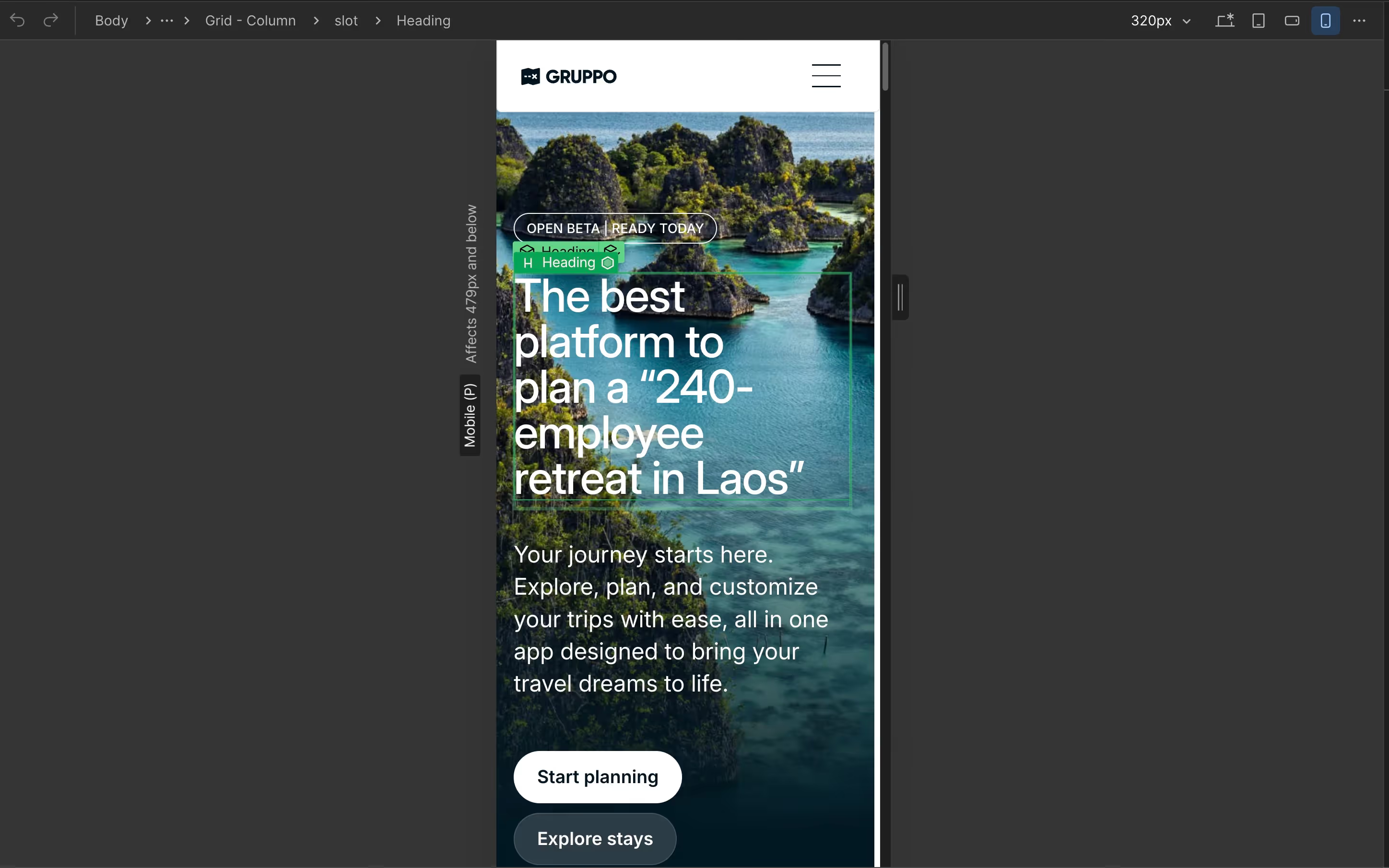
The mobile version is not an add-on. In Webflow, you have control over how the website looks and works on mobile, tablet and desktop as you build it. The result is that the web does not act as a “desktop scaled to a mobile”, but as a really thoughtful responsive product. And since Webflow is based on a clean frontend and runs on a CDN infrastructure, you can get out of it very good performance. This is important not only because of the feel of the site, but also because of SEO and conversions. A slow website costs money these days, even if it is not visible at first glance.
Hosting and security without plugin hell
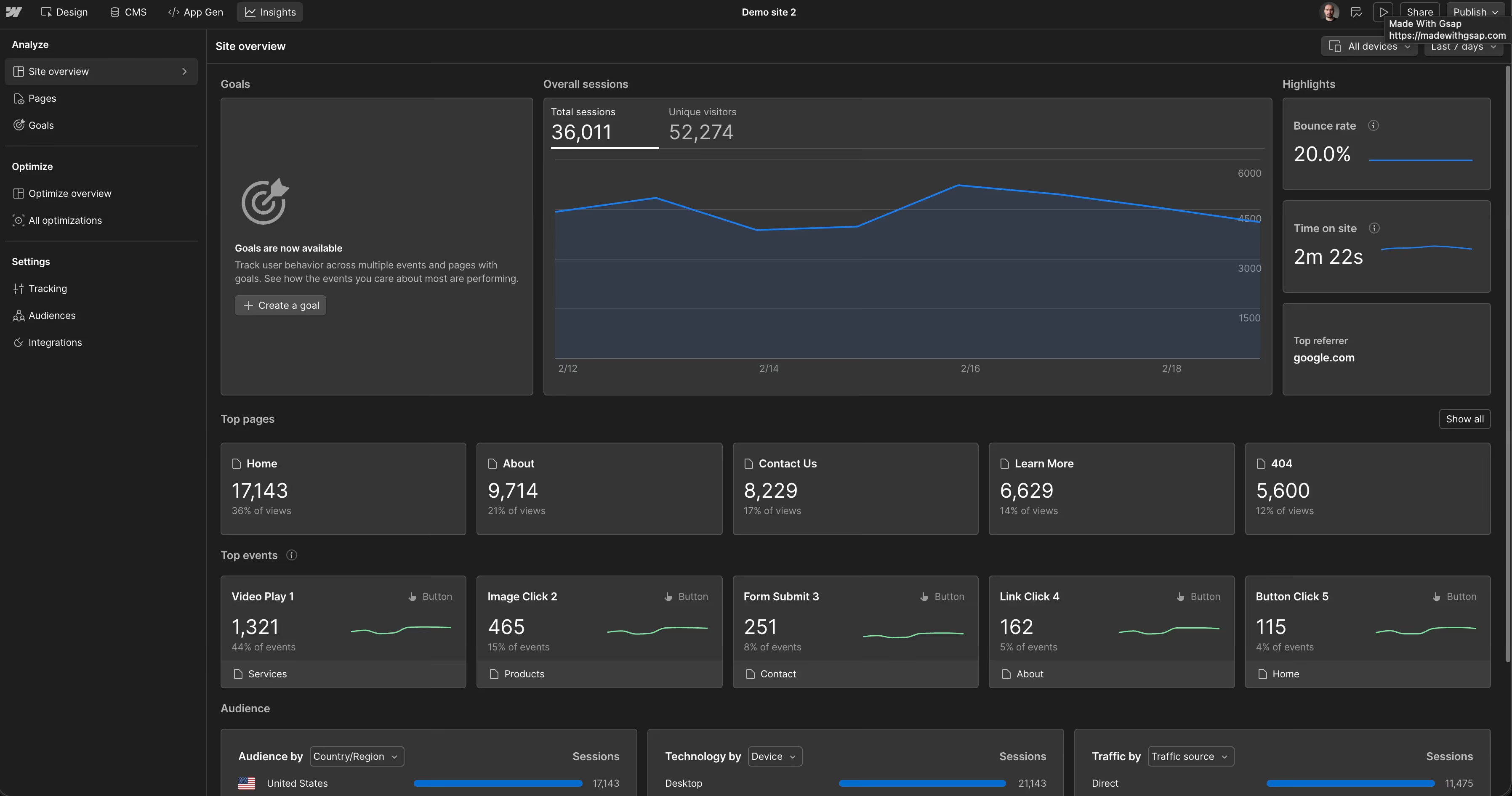
The big advantage is that Webflow addresses the hosting and security basics within the platform. HTTPS, CDN, stability and fewer things that can break. For a lot of WordPress sites, the reality is that plugins are gradually loaded, something stops updating, something fights with something else, and over time the site becomes a service project. Webflow is calmer in this and for the company often more predictablebecause much of the technical worries fall away.
For whom does it make sense
Webflow makes sense almost everywhere you want a modern website that will be modified and developed. Companies that hire people and change teams, companies that collect references, publish articles, edit services, handle campaigns, build a brand and want the site to look good in the long run and not be a drag. And also for anyone who wants to have a website like A real tool for business, not just as a pretty business card.
If you are working on a new website or redesign and want a solution that will look good, will run fast and at the same time it will manage normally without depending on the developer, write me. I would like to tell you if Webflow makes sense for your project and what would be the most sensible way.